Buying land is a major financial decision. Therefore, buyers should avoid relying only on photos, maps, or online listings. A physical site visit allows you to experience the property firsthand. It also helps you confirm whether the land matches the seller’s description.
Before making a purchase, take time to visit the property. This simple step can help you make a more informed decision.
See the Actual Location
Pictures can show you the property. However, they cannot fully communicate its surroundings. A site visit allows you to see the actual location. You can assess the neighborhood, nearby developments, roads, and general environment. Additionally, you can determine whether the location suits your intended plans.
For example, a buyer planning to build a home may want a quiet residential environment.
Check Accessibility
Access is one of the most important factors when buying land. During your visit, examine the roads leading to the property. Consider their condition during different weather conditions. Also, check whether vehicles can comfortably reach the land. A property may look affordable until poor access creates additional development costs.
Therefore, always inspect the access route before committing your money.
Confirm Nearby Infrastructure
Infrastructure can significantly affect how practical a property becomes. During your visit, look for electricity connections, water availability, schools, markets, healthcare facilities, and public transport. Also, observe ongoing infrastructure projects in the surrounding area. These factors can influence your future plans and the overall convenience of the location. However, avoid relying solely on verbal promises about planned infrastructure.
Where necessary, seek confirmation from the relevant authorities.
Understand the Surrounding Neighborhood
A site visit gives you an opportunity to understand the surrounding community. Look at nearby homes, businesses, farms, and other developments. You can also observe how densely developed the area has become. Furthermore, visiting at different times can provide additional information. For example, traffic, noise, and general activity may change throughout the day.
Consequently, multiple visits can provide a more complete picture.
Check the Physical Boundaries
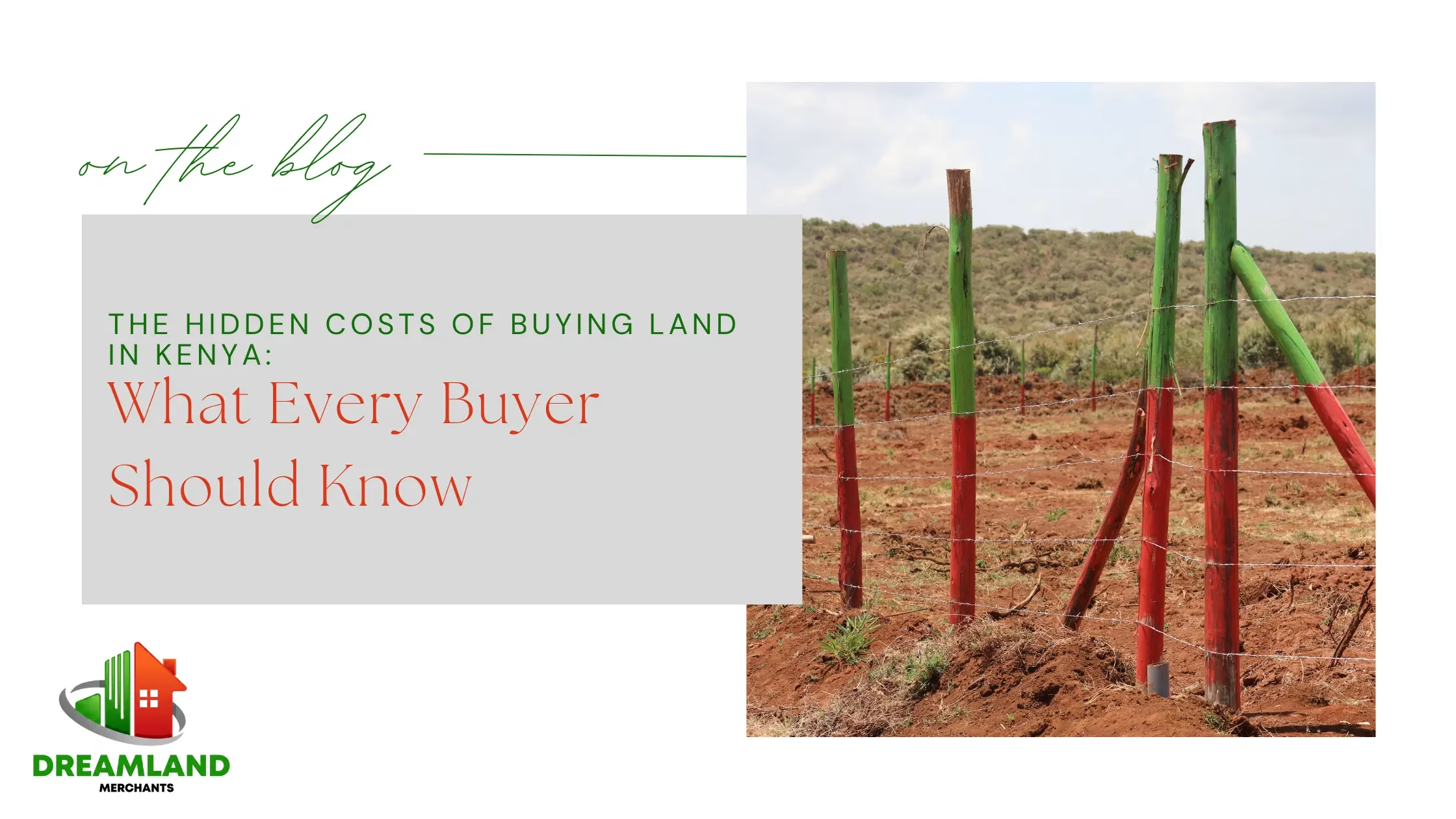
The physical appearance of land can sometimes be misleading. During your visit, ask about the property’s boundaries and existing beacons. Beacons can help identify boundary points. However, they should not replace professional verification where uncertainty exists. If necessary, involve a qualified surveyor to confirm the property’s boundaries and measurements.
This step becomes particularly important when the plot’s size influences your purchase decision.
Look for Potential Challenges
A physical inspection can reveal issues that photographs may hide. For instance, you may notice drainage problems, steep terrain, flooding risks, or difficult access. You may also discover nearby activities that could affect your plans. Therefore, walk around the property where access permits. Observe the terrain and surrounding environment carefully.
Taking notes and photographs can also help you compare properties later.
Talk to People Nearby
Local residents can provide useful information about the area. You may learn about road conditions, water availability, flooding patterns, or nearby developments. However, treat informal information as additional insight rather than official confirmation. Where a claim affects your purchase decision, verify it through appropriate official channels.
This approach helps you separate useful local knowledge from unverified information.
Compare the Land With Your Documents
A site visit should complement your document verification. Before or during the visit, compare the property details with the available documentation. Check the location, parcel information, approximate size, and other relevant details. If something appears inconsistent, pause the transaction. Then, seek clarification before making any payment.
Never ignore discrepancies simply because the property looks attractive.
Picture Your Future Plans
Visiting land also helps you visualize its potential use. If you plan to build a home, consider where the house could sit. Think about parking, landscaping, access, drainage, and other practical requirements. If you plan to develop rental units, consider available space and accessibility. Similarly, agricultural buyers should assess the terrain and surrounding conditions.
A site visit helps turn an idea on paper into a practical assessment.
Avoid Making Decisions Under Pressure
Land purchases can sometimes come with pressure to make quick decisions. A seller may emphasize limited availability or changing prices. However, important financial decisions require careful consideration. Take time to visit the property and verify the relevant information. If you need professional advice, seek it before committing.
A short delay can be better than discovering a major issue after purchase.
Final Thoughts
A land purchase should never be based on photographs alone. Visit the property, inspect the surroundings, assess accessibility, and understand the neighborhood. Additionally, verify boundaries and compare the physical property with its documentation. Most importantly, combine your site visit with proper due diligence.
See the land. Understand the location. Verify the details. Then make your decision with confidence.