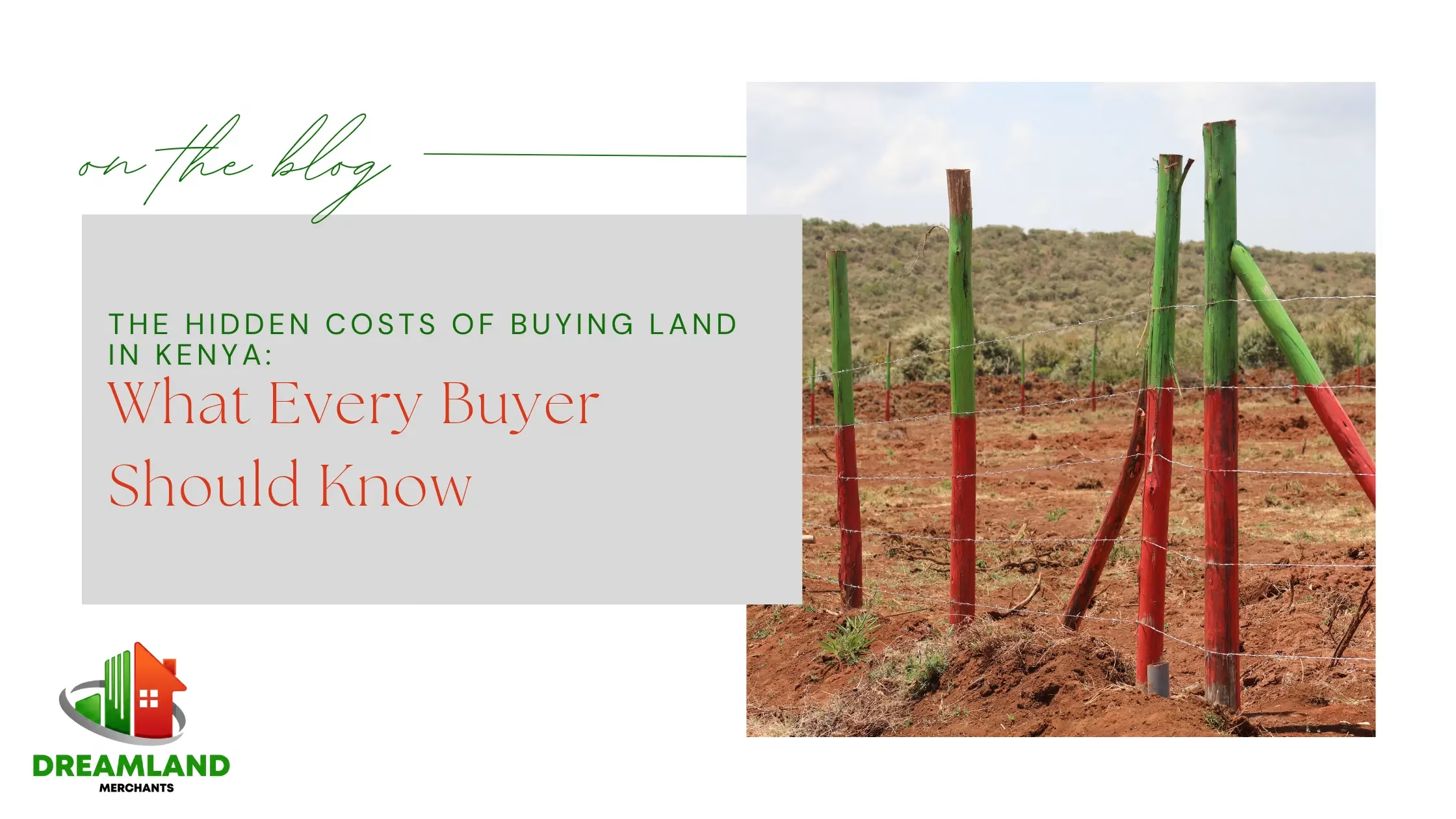
Buying land in Kenya is an important step toward financial security and property ownership. However, the advertised price rarely tells the whole story. Many buyers focus on the cost of the plot alone. Unfortunately, additional expenses can stretch their budgets unexpectedly.
Therefore, understanding the hidden costs of buying land in Kenya is essential. With proper planning, you can protect your money and make informed investment decisions.
1. Legal Fees and Land Searches
Before purchasing land, you should verify the ownership documents. This process helps establish whether the seller has the legal right to sell. However, professional assistance may come at an additional cost. You may need a qualified advocate to review the sale agreement and guide the transaction. Additionally, an official land search may attract applicable fees. The search helps confirm registered ownership and identify interests or restrictions recorded against the property.
Consequently, include legal and verification expenses in your budget before committing to a purchase.
2. Stamp Duty and Registration Fees
Stamp duty is another expense buyers should consider when budgeting for land. The applicable stamp duty depends on factors such as the property’s location and assessed value. Exemptions or different rules may apply to particular transactions. Additionally, registration and other applicable administrative charges may arise during the transfer process.
Therefore, confirm the current rates and requirements with the relevant authorities or your advocate. Do not rely solely on estimates from other buyers.
3. Surveying and Beacon Verification
The advertised plot size should match the property you intend to purchase. However, unclear boundaries can create disputes and unexpected expenses later. Existing beacons may also require professional verification. A qualified surveyor can help establish the boundaries and dimensions of the land. This service may involve additional fees, depending on the work required. Furthermore, accurate measurements can help prevent costly mistakes during construction.
Always clarify whether the seller’s quoted price includes any surveying services.
4. Land Rates and Other Property Charges
Some properties may have outstanding land rates or other applicable charges. Depending on the property and location, these obligations may need attention before the transfer proceeds. Therefore, ask about outstanding balances and establish who bears responsibility for settling them. Where necessary, obtain confirmation from the relevant county government or authority.
This step can help prevent unexpected financial obligations after the purchase.
5. Transport and Site Visit Expenses
Visiting land before buying it is an important part of due diligence. However, repeated visits can increase your overall spending. Transport, meals, accommodation, and time away from work may all contribute to the cost. Buyers travelling from distant towns or abroad may face additional expenses. Nevertheless, skipping a physical inspection can expose you to greater risks.
Plan your visits carefully and arrange to inspect the property alongside other essential checks.
6. Access Roads and Infrastructure
A plot may appear affordable until you consider the cost of reaching or developing it. For example, poor road access can make transporting construction materials more expensive. Similarly, a property without nearby electricity or water connections may require additional investment. Depending on the location, you may also need drainage improvements or other site preparation. Therefore, inspect the surrounding infrastructure before purchasing land.
Also, confirm the availability and cost of connections with the relevant service providers.
7. Site Preparation and Construction Costs
Buying land is only the beginning if you intend to build. Depending on the terrain, you may need to clear vegetation, remove debris, improve drainage, or level the ground. Some sites may also require retaining walls or specialised foundation work. These expenses can significantly affect your construction budget.
Consequently, assess the land’s physical condition before deciding how much you can afford to spend.
8. Fencing and Security
After purchasing land, you may want to protect it against encroachment and unauthorised use. Fencing can provide a visible boundary and help secure the property. However, its cost depends on the plot’s dimensions and chosen materials. You may also need to install a gate or arrange occasional inspections. Therefore, consider these expenses when planning your total investment.
Remember to confirm your boundaries before installing a fence.
9. Outstanding Debts and Ownership Disputes
Some properties may have unresolved ownership issues, registered charges, restrictions, or disputes. Resolving these problems can create significant delays and additional expenses. Before paying, verify the seller’s ownership and investigate any concerns identified during due diligence. Additionally, ensure the sale agreement clearly explains the terms of the transaction. If anything appears inconsistent, seek professional advice before proceeding.
A low purchase price should never replace proper verification.
10. How to Budget for the True Cost of Land
The best way to avoid financial surprises is to calculate the full purchase cost before committing. Start with the advertised price. Then, add estimated legal fees, statutory charges, surveying expenses, transport, and any necessary site preparation. Next, identify possible infrastructure and security costs based on your plans.
Finally, maintain a financial buffer for unexpected expenses. Remember that not every cost applies to every property. Therefore, request a transaction-specific breakdown before making payment.
Final Thoughts: Plan Beyond the Purchase Price
Buying land in Kenya can support your long-term financial goals. However, a successful purchase requires more than finding an attractive price. You must understand the additional costs, verify the property, and plan for future expenses. Therefore, ask questions, conduct proper due diligence, and seek professional guidance where necessary.
Most importantly, never spend your entire budget on the purchase price alone.