Buying land in Kenya can be an important step toward building long-term wealth. However, choosing the right plot starts with understanding your budget. Many buyers focus on location, size, and development potential. However, affordability should come before these considerations.
Your ideal plot should fit comfortably within your financial capacity. Therefore, careful planning can help you avoid unnecessary financial pressure.
Start With Your Available Income
First, examine your monthly income and regular expenses. Include rent, food, transport, school fees, loans, utilities, and other commitments. Next, determine how much money remains after covering essential expenses. This amount provides a clearer picture of your investment capacity. Additionally, consider your existing savings and emergency funds. Avoid using every available shilling for a land purchase.
A healthy financial plan should leave room for unexpected expenses. Consequently, you can purchase land without disrupting your everyday financial needs.
Set a Realistic Land Budget
Once you understand your finances, establish a maximum land budget. Avoid choosing a property simply because its price looks attractive. Instead, calculate the amount you can comfortably commit. Then, consider whether you will pay upfront or through installments. For example, someone earning KSh 80,000 monthly may have different commitments. Therefore, their affordable land budget will differ from another buyer earning the same amount.
Your income alone does not determine affordability. Rather, your disposable income and financial obligations provide better guidance.
Consider the Cost Beyond the Plot Price
The advertised land price is not always your total purchase cost. Therefore, include additional expenses when preparing your budget. These costs may include legal fees, searches, valuation, survey services, and registration expenses. Depending on the transaction, other charges may also apply. Furthermore, consider transport costs for visiting the property. You may also spend money verifying documents and confirming boundaries. Consequently, a KSh 500,000 plot may require more than KSh 500,000 overall.
Always create a small financial buffer for additional transaction expenses.
Choose Land Based on Your Goal
Your investment goal should influence the type of land you buy. Different locations and plot sizes serve different purposes. For instance, someone planning a family home may prioritize accessibility and neighborhood development. Meanwhile, an investor targeting future appreciation may consider developing areas. However, growth potential should never replace proper due diligence. If you want rental development, infrastructure becomes especially important. Roads, water, electricity, and nearby amenities can influence future development.
Therefore, define your purpose before choosing the location.
Compare Plot Sizes Within Your Budget
Land comes in different sizes, including 40 × 80, 50 × 100, and larger parcels. However, bigger does not automatically mean better. Instead, consider what you can realistically use. A smaller plot in a suitable location may serve your goals better. Additionally, compare prices per square foot where appropriate. This approach can help you understand the relative value of different properties.
However, price should never be your only consideration. Documentation, accessibility, infrastructure, and location also matter.
Consider an Installment Payment Plan
Some land buyers cannot afford the entire purchase price immediately. Fortunately, some property sellers offer structured installment plans. Such arrangements can make land ownership more manageable. However, buyers should understand every payment requirement before committing. Ask about the deposit, payment period, monthly installments, and completion requirements. Also, confirm whether the agreement clearly explains ownership and documentation processes. Most importantly, ensure the installment amount fits comfortably within your monthly budget.
Avoid taking on an arrangement that leaves you struggling with basic expenses.
Never Ignore Due Diligence
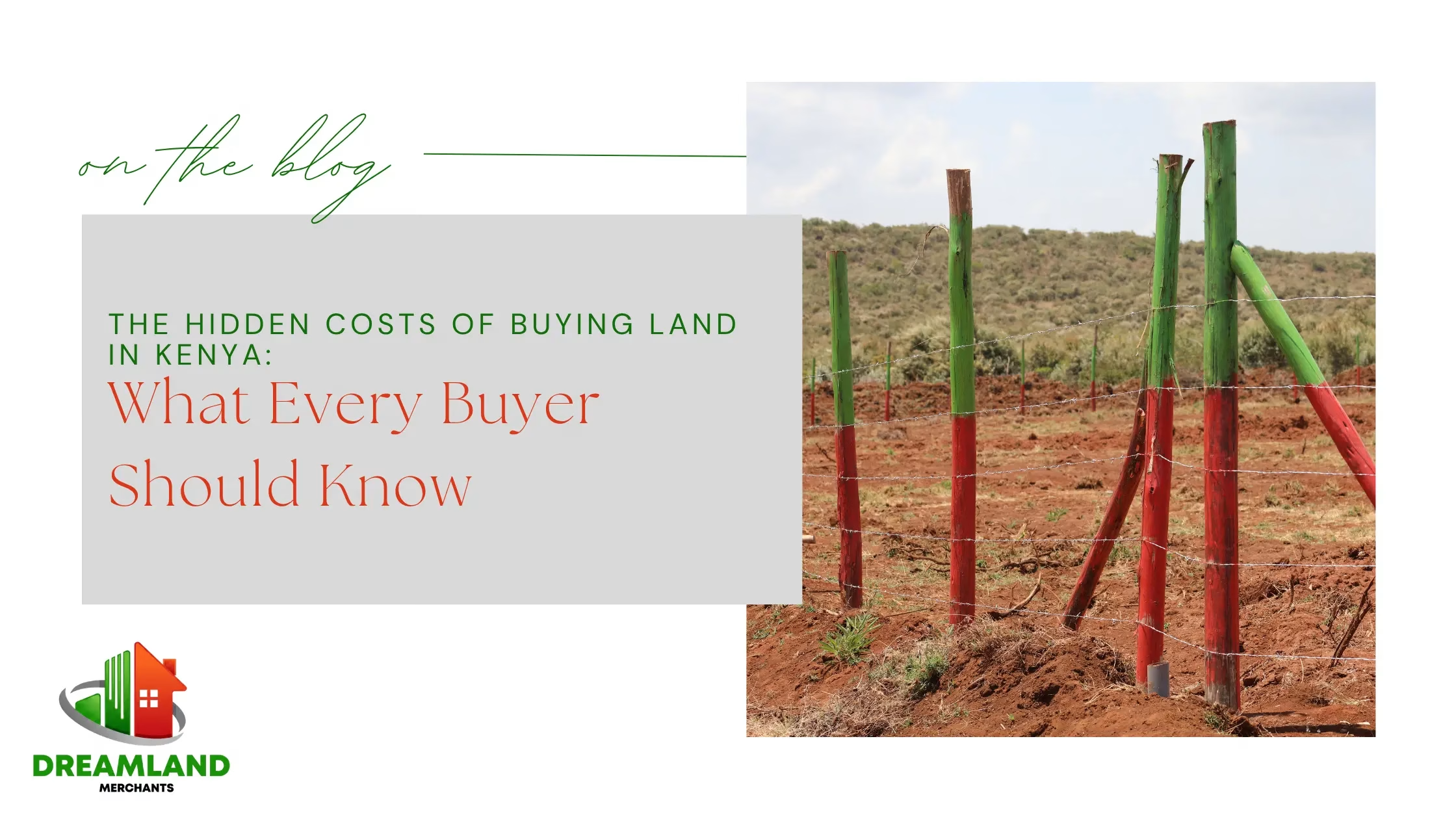
Affordability should never come at the expense of proper verification. Before paying for land, conduct appropriate due diligence. Start by confirming the seller’s ownership documents. Then, verify the property details through the relevant official processes. Also, confirm the land’s physical boundaries. Beacons can help identify boundary points, while professional surveying can provide greater certainty. Additionally, investigate access roads and nearby developments. Check whether any known restrictions could affect your intended use.
If necessary, seek guidance from qualified professionals. A lawyer, surveyor, or relevant property professional can help identify potential issues.
Think About Your Future Financial Plans
Land ownership should fit into your broader financial strategy. Therefore, consider your plans for the next several years. You may need money for construction, education, business, or family commitments. Consequently, avoid committing funds that you will soon need elsewhere. If you plan to build later, estimate future construction costs. Land ownership is only one part of the overall property investment.
Similarly, consider how you will maintain or develop the property.
A Simple Rule for Kenyan Land Buyers
There is no universal amount that every Kenyan should spend on land. Your affordable budget depends on income, expenses, savings, debts, and investment goals. Therefore, start with what you can comfortably afford. Then, identify locations and plot sizes within that range. Afterward, compare properties based on documentation, accessibility, infrastructure, and potential use. Most importantly, avoid stretching your finances simply to purchase a particular plot.
A good land investment should support your financial goals. It should not create unnecessary financial stress.
Final Thoughts
Buying land starts with knowing your numbers. Once you understand your financial capacity, the search becomes more focused. Therefore, set a realistic budget before visiting properties. Compare options carefully and allow room for additional costs. Most importantly, verify the land before making payment. The right plot is not necessarily the cheapest or largest. Instead, it is one that fits your financial position and future plans.
Start where you are. Buy the land you can afford. Build toward the future you want.