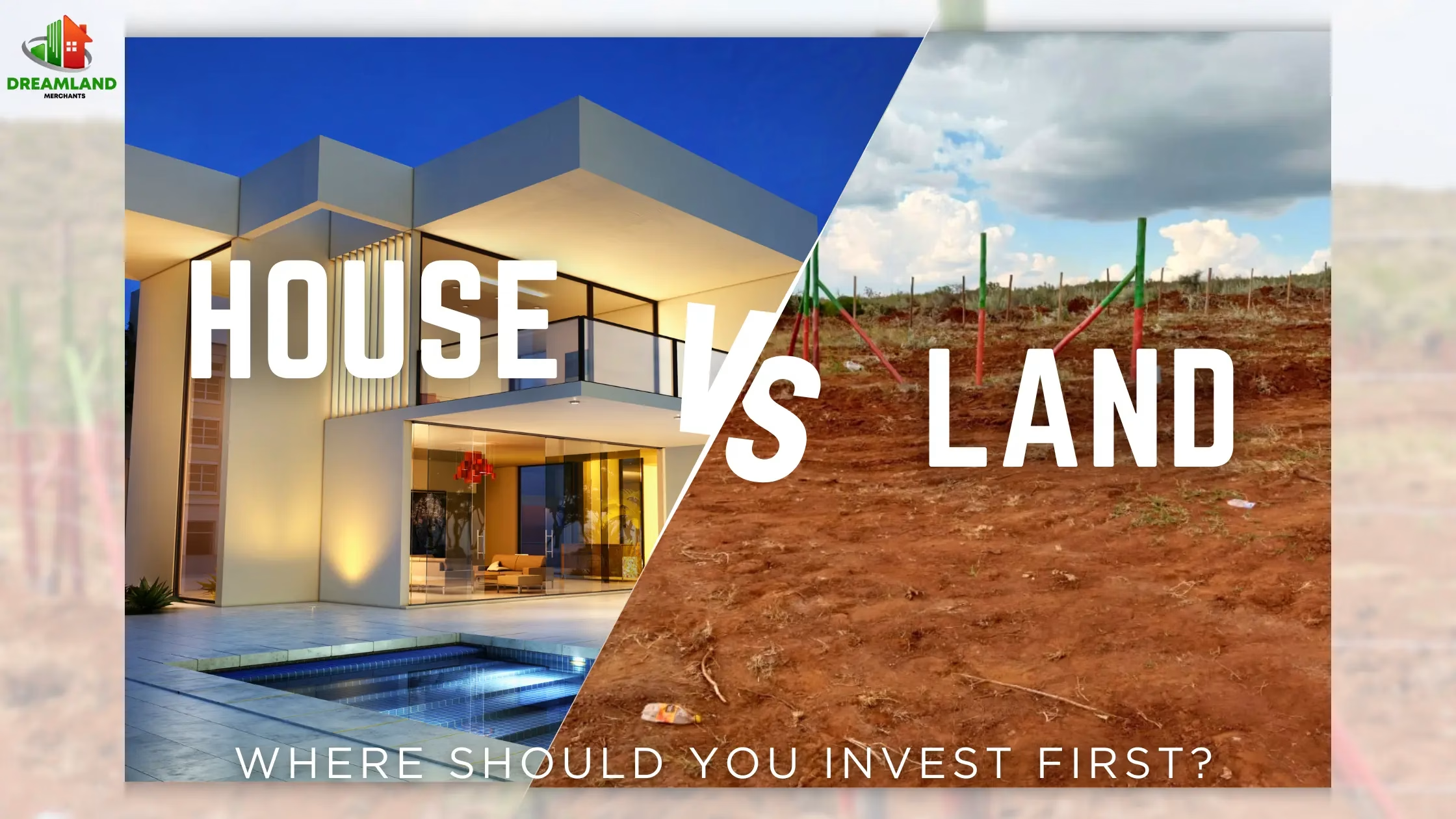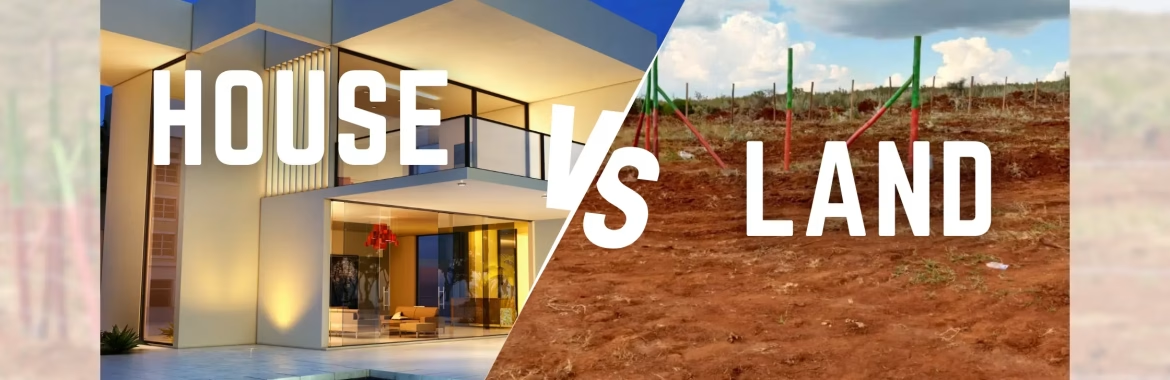
Choosing between buying land and purchasing a house is a major financial decision for many Kenyans. Both options can support long-term financial goals. However, the right choice depends on your budget, lifestyle, and investment plans. Some buyers prefer securing a plot before building their dream home. Others choose an existing house for immediate occupation or rental income.
So, should you buy land or a house first? Let’s compare the benefits, costs, and risks of both options.
1. Understanding Land Investment in Kenya
Buying land involves acquiring a property that you can develop, use, or hold for future purposes. Many Kenyans consider land ownership an important step toward building wealth. Additionally, land can offer flexibility because you may decide when and how to develop it. For example, you could purchase a residential plot today and build your home later. Alternatively, you could hold suitable land while monitoring market conditions. However, land does not automatically generate income. Unless you use it productively, you may need to wait for potential appreciation or future development opportunities.
Therefore, location, accessibility, documentation, and development potential matter when choosing land.
2. Understanding House Ownership
Buying a house means acquiring an existing residential property. Depending on the property, you may move in immediately or rent it out. For families, this option can provide a quicker path to stable housing. Furthermore, purchasing a completed house can eliminate the uncertainty of managing construction from the beginning. For investors, a suitable house may generate rental income. However, returns depend on factors such as location, tenant demand, maintenance costs, and purchase price.
Additionally, buyers should inspect the property’s condition and verify its legal documentation before completing the transaction.
3. Comparing the Costs of Buying Land and a House
The financial requirements differ significantly between the two options.
Buying land
The initial purchase price may be lower than buying a completed house. Nevertheless, you should budget for legal fees, applicable taxes, registration charges, and surveying expenses. If you plan to build later, construction will require a separate budget. You may also need to pay for fencing, site preparation, and utility connections.
Buying a house
A completed house usually requires a larger initial investment than a comparable undeveloped plot. However, the purchase may include a ready-to-use building. You should still budget for legal fees, applicable taxes, inspections, insurance, and potential repairs. If you use a mortgage, remember to include interest, loan fees, and other financing costs.
The bottom line: Compare the total cost of ownership rather than the advertised price alone.
4. Which Investment Offers Better Potential for Appreciation?
Both land and houses may increase in value over time. However, neither investment guarantees appreciation. Land prices can rise when an area attracts new infrastructure, businesses, housing developments, or increased buyer demand. Meanwhile, a house may benefit from location improvements and demand for residential properties. Its condition, design, and maintenance can also influence its market value. However, houses may require regular repairs as buildings age. Land can also lose appeal if demand weakens or development prospects change.
Therefore, research the specific location and property before making assumptions about future returns.
5. Which Option Can Generate Income Faster?
If your priority is earning rental income, a completed house may offer a more immediate opportunity. Once the property meets applicable requirements and attracts tenants, rental payments can provide recurring income. However, you must account for vacancies, maintenance, property management, and other expenses. Land can also generate income through suitable activities, including agriculture or approved commercial uses. Nevertheless, undeveloped residential land generally does not produce rental income on its own.
Consequently, buyers seeking immediate residential rental income may prefer a suitable completed property.
6. Flexibility: Why Some Buyers Choose Land First
Land ownership can offer flexibility when you do not need a house immediately. You can plan construction around your financial progress, subject to applicable approvals and development requirements. Additionally, buying land first may allow you to choose your preferred design and building materials later. However, this approach requires patience and disciplined financial planning. Construction costs may change, and the plot may remain undeveloped for years.
If you need somewhere to live immediately, buying land may not solve your current housing needs.
7. Financing Options and Affordability
Your financial position should influence your decision. Some buyers purchase land using savings or structured installment arrangements. Others finance a house through a mortgage or another approved lending facility. However, financing terms vary. Therefore, compare interest rates, deposits, repayment periods, fees, and the consequences of missed payments. Also, consider your emergency savings and existing financial obligations.
Avoid stretching your budget simply to secure a property. The best investment should fit your financial capacity without compromising essential expenses.
8. Risks to Consider Before Investing
Both options require careful due diligence. When buying land, verify ownership, investigate registered interests, inspect access roads, and confirm boundaries where necessary. When buying a house, verify ownership and inspect the building for structural defects, maintenance needs, and compliance with relevant requirements. For both investments, research the neighbourhood and assess whether the property suits your intended use. Furthermore, consider liquidity. Selling property can take time, and you may not receive your expected price immediately.
Professional legal and technical advice can help you identify potential problems before committing your money.
9. Should You Buy Land or a House First?
Your priorities can help determine which option makes more sense.
Consider buying land first if:
- You want to build a home in the future.
- You can wait before developing the property.
- You have identified a suitable plot within your budget.
- You understand the risks of holding undeveloped land.
Consider buying a house first if:
- You need a place to live soon.
- You want to explore rental income opportunities.
- You can comfortably afford the purchase and ongoing expenses.
- You prefer an existing building over managing construction.
Neither option is universally better. Your circumstances, financial goals, and investment timeline should guide your decision.
Final Thoughts: Make Your First Property Investment Count
Choosing between land and a house depends on what you want to achieve. Land may offer flexibility for future development, while a completed house may provide immediate housing or rental opportunities. Before deciding, assess your finances, compare total costs, research the location, and verify all relevant documents. Most importantly, do not measure success by how quickly you acquire property. Focus on making a sustainable decision that supports your long-term plans.
At Dreamland Merchants, we believe property ownership begins with informed choices. Whether you start with a plot or a house, invest within your means and build toward the future you want.